
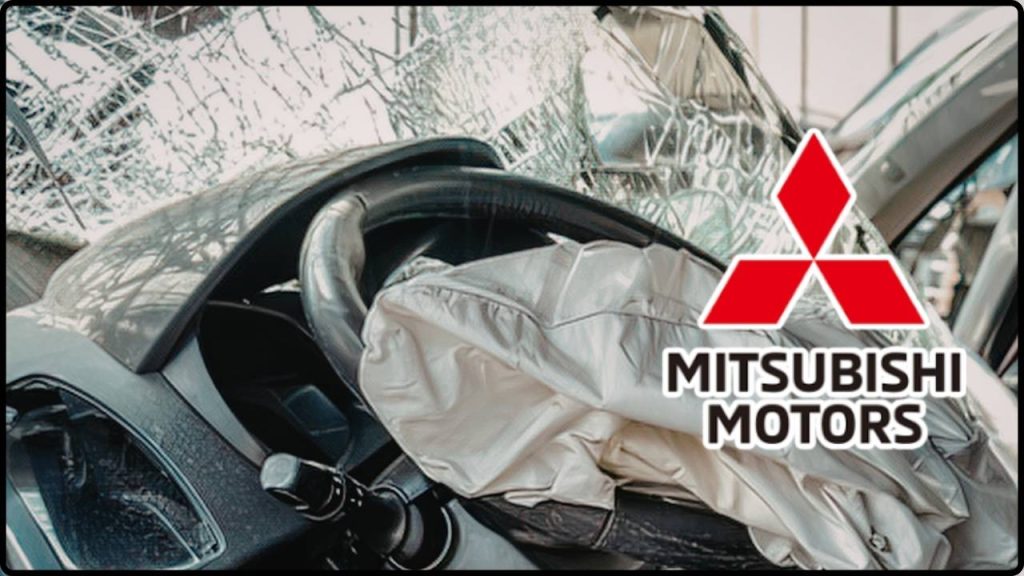
Mitsubishi Airbag Settlement: The Mitsubishi Airbag Settlement Could Pay Eligible Drivers Up to $250 has become a major topic among American car owners, especially those who previously owned or currently drive certain Mitsubishi vehicles. This class-action settlement is tied to allegations that specific Mitsubishi models were equipped with potentially defective airbag control units. As part of the agreement, Mitsubishi has set aside $8.5 million to compensate eligible drivers, with payments that may reach up to $250 per vehicle.
For everyday drivers across the United States, this news matters because airbags are one of the most important safety systems in modern vehicles. If the system responsible for triggering airbags fails, it can significantly increase the risk of injury during a crash. The settlement doesn’t mean Mitsubishi admitted wrongdoing, but it does mean eligible drivers could receive financial compensation for the alleged defect and any potential reduction in vehicle value. This article breaks everything down in clear, practical terms—what the settlement is about, which vehicles are involved, how to file a claim, and what car owners should do next. Whether you’re a longtime Mitsubishi driver or someone who owned one years ago, understanding your rights and options is worth your time.
Table of Contents
Mitsubishi Airbag Settlement
The Mitsubishi Airbag Settlement Could Pay Eligible Drivers Up to $250 represents an important reminder of how vehicle safety, consumer rights, and manufacturer accountability intersect in the automotive industry. While Mitsubishi has not admitted wrongdoing, the settlement provides an opportunity for eligible drivers to receive compensation for potential safety concerns related to airbag control units. If you owned or leased one of the affected vehicles, it’s worth taking a few minutes to verify your eligibility and submit a claim. Beyond the financial benefit, the settlement underscores the importance of staying informed about vehicle safety issues and keeping records of past vehicle ownership. For drivers across the United States, awareness and proactive action can make a real difference—whether it’s claiming compensation, checking recalls, or ensuring your vehicle’s safety systems are functioning as intended.
| Key Topic | Details |
|---|---|
| Settlement Amount | $8.5 million class-action settlement fund |
| Potential Payment | Up to $250 per eligible Mitsubishi vehicle |
| Vehicles Covered | Selected 2013–2017 Mitsubishi Lancer models and certain 2013 Outlander vehicles |
| Claim Deadline | Expected around May 2026 |
| Official Settlement Website | https://www.acusettlement.com |
| Safety Authority | National Highway Traffic Safety Administration (NHTSA) |
| Industry Context | Airbag failures have been linked to major recalls in the U.S. auto industry |
| Safety Statistics Source | https://www.nhtsa.gov |
Understanding the Mitsubishi Airbag Settlement
The settlement comes from a consumer class-action lawsuit filed by vehicle owners who alleged that Mitsubishi vehicles were equipped with defective airbag control units manufactured by TRW Automotive, a major auto-parts supplier that later became part of the global mobility company ZF Group.
These control units play a crucial role in vehicle safety. They act like the brain of the airbag system, constantly monitoring crash sensors throughout the car. If the sensors detect a collision strong enough to deploy airbags, the control unit triggers the system within milliseconds.
The lawsuit alleged that certain units may fail to deploy airbags during a crash, which could increase the risk of serious injuries. Because of these claims, plaintiffs argued that affected vehicles were worth less than expected when purchased or leased.
Rather than continue with lengthy litigation, Mitsubishi agreed to settle the case for $8.5 million, which will be distributed among eligible vehicle owners and lessees.
Even though the company settled, it’s important to understand that the settlement does not include an admission of wrongdoing. This is common in class-action lawsuits involving vehicle manufacturers.
Legal experts say settlements like this help resolve disputes faster and allow compensation to reach drivers without years of court proceedings.
Why Airbags Are So Important for Driver Safety?
To understand why this settlement matters, it helps to look at the role airbags play in protecting drivers and passengers.
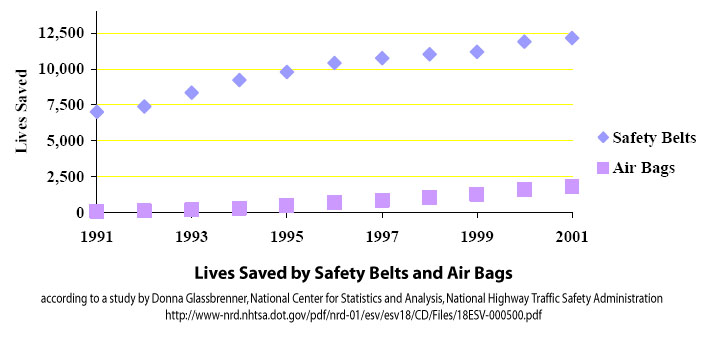
According to the National Highway Traffic Safety Administration, frontal airbags have saved more than 50,000 lives in the United States since 1987.
Airbags are designed to deploy within 20 to 30 milliseconds after a collision, creating a protective cushion that reduces the force experienced by occupants.
Safety research shows:
- Airbags reduce driver fatalities by about 29% in frontal crashes
- Passenger airbags reduce deaths by around 32%
- Combined seat belt and airbag use provides the strongest protection
These numbers show just how important it is for airbag systems to function properly.
When the system fails—even in rare situations—it can become a serious safety concern. That’s why lawsuits and recalls involving airbag systems receive significant attention from regulators and the automotive industry.
Vehicles Included in the Mitsubishi Airbag Settlement
The Mitsubishi settlement applies only to specific models that may have been equipped with the airbag control unit referenced in the lawsuit.
Drivers who owned or leased the following vehicles may be eligible:
- 2013–2017 Mitsubishi Lancer
- 2013–2015 Mitsubishi Lancer Evolution
- 2013–2015 Mitsubishi Lancer Ralliart
- 2013–2016 Mitsubishi Lancer Sportback
- 2013 Mitsubishi Outlander
These vehicles were manufactured during a period when Mitsubishi used TRW airbag control modules.
TRW Automotive was a well-known supplier of safety systems, including seat belts, airbags, and electronic braking technology. The company later became part of ZF Friedrichshafen, one of the largest automotive suppliers in the world.
While the settlement focuses on these specific vehicles, Mitsubishi has continued producing new models and updating safety systems in its current lineup.
How Much Money Drivers Could Receive?
The settlement fund totals $8.5 million, which will be distributed among approved claimants.
Eligible drivers may receive up to $250 per vehicle, but the exact payment amount depends on several factors.
Number of Claims Filed
Class-action settlements typically divide the available funds among all approved claims.
If fewer people file claims, each eligible driver may receive a larger share.
If many drivers apply, payments may be slightly smaller but cannot exceed the maximum limit of $250 per vehicle.
Administrative Costs
Some of the settlement fund will also cover:
- Administrative costs
- Legal fees
- Court-approved expenses
After these costs are deducted, the remaining funds will be distributed among claimants.
In some settlements, if funds remain after payments are issued, additional distributions may be made to approved claimants.
Step-by-Step Guide to Filing a Mitsubishi Airbag Settlement Claim
For drivers who believe they qualify, filing a claim is typically simple and can be completed in a few steps.
Step 1: Verify Vehicle Eligibility
Start by confirming that your vehicle is one of the eligible models.
You’ll need your Vehicle Identification Number (VIN).
The VIN is a 17-character code that uniquely identifies your vehicle.
You can find it:
- On the dashboard near the windshield
- Inside the driver-side door frame
- On your vehicle registration or insurance documents
Once you have your VIN, you can compare it with the settlement eligibility information on the official website.
Step 2: Gather Proof of Ownership
To submit your claim, you may need documents showing that you owned or leased the vehicle.
Common documents include:
- Vehicle registration
- Title certificate
- Lease agreements
- Insurance records
- Purchase or sales paperwork
These documents help confirm your eligibility and prevent fraudulent claims.
Step 3: Complete the Claim Form
Most settlements allow claims to be submitted online or by mail.
Online claims are usually faster and more convenient.
The claim form typically asks for:
- Your name and contact information
- VIN number
- Proof of ownership
- Vehicle details
Once submitted, the settlement administrator will review the claim.
Step 4: Wait for Claim Approval
After the claim deadline passes, administrators review all submissions and verify eligibility.
If your claim is approved, you’ll receive payment after the court finalizes the settlement.
Payments may be issued through:
- Mailed checks
- Electronic payment methods
Practical Tips for Drivers
Based on years of reporting on automotive safety and consumer settlements, there are a few smart steps drivers should follow.
Keep Old Vehicle Documents
Many people throw away paperwork after selling a vehicle.
But documents like:
- Old registrations
- Insurance statements
- Purchase agreements
can help prove eligibility in settlements like this.
Keeping digital copies can save time later.
Check Your Vehicle for Recalls
Drivers should regularly check their vehicles for recalls, even if they haven’t received a notice.
The NHTSA recall database allows drivers to search by VIN.
If a recall is active, repairs are usually performed free of charge by the manufacturer.
Stay Informed About Auto Safety Issues
The automotive industry evolves quickly, and safety issues sometimes emerge years after vehicles are sold.
Following trusted sources such as:
- NHTSA
- Consumer Reports
- Automotive news publications
can help drivers stay informed about potential safety concerns.
What This Settlement Means for the Automotive Industry?
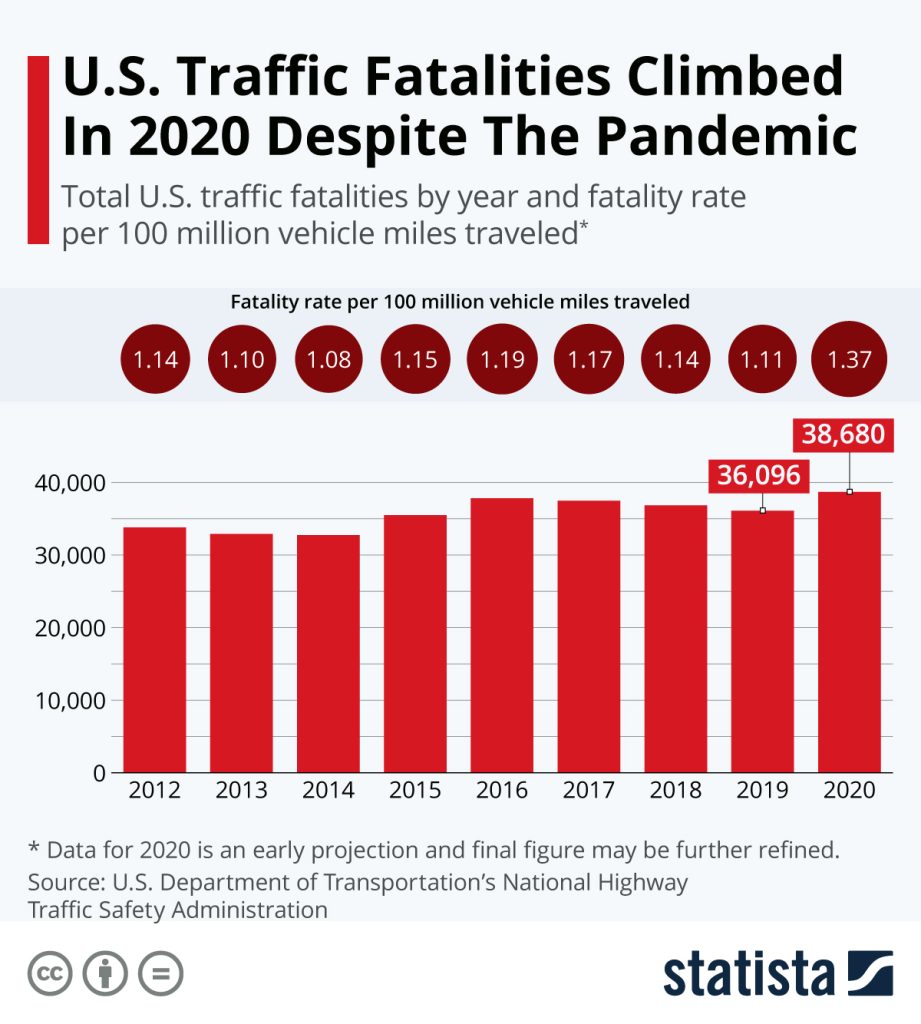
The Mitsubishi settlement reflects a broader trend in the automotive industry toward greater accountability and transparency.
Over the past decade, several major safety issues have led to large recalls and settlements. One of the most well-known examples was the Takata airbag recall, which affected tens of millions of vehicles worldwide.
These incidents have encouraged regulators and manufacturers to strengthen safety standards and quality control procedures.
For automakers, ensuring that safety components meet strict reliability standards is critical not only for protecting drivers but also for maintaining public trust.
For consumers, the settlement highlights the importance of staying informed and understanding your rights as a vehicle owner.